Free shipping on US orders over $49

(28)

White Tea

Kumaon White | Aged

$79.99

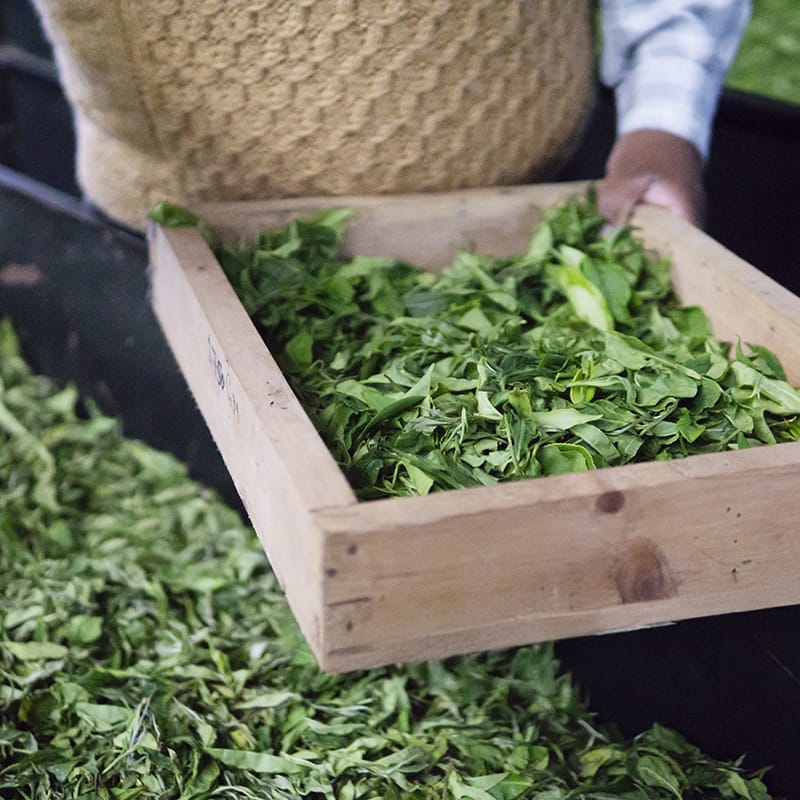
A fresh and bright organic white tea from one of India’s forgotten tea regions. This tea is harvested on small-scale farms in the early spring from bushes that are nearly 200 years old.

PLEASE NOTE: Our tea bags our certified organic, and the current lot of the loose-leaf is 100% organically grown but not certified due to changes in USDA organic requirements, which forced Indian farmers to get re-certified. Thanks for understanding!


Preparation

Steep 1 2 Tbsp /2.5 g | 8 oz | 170° F | 3 min
Steep 2 8 oz | 175° F | 4 min

Tasting Notes

Peeled cucumber & honeydew melon

Origin

Kumaon, North Indian Himalayas

Tea Makers

Champawat Tea Makers

Flavor

“What does white tea taste like?” is a question many people ask. While minimal processing makes most white teas delicate-bordering-on-flavorless, the Kumaon White has a full, juicy body and brightness that makes it shine. This Himalayan spring tea captures the clean and floral aromas of new growth. When steeped, the fully intact buds release notes of vegetal peeled cucumber alongside floral honeydew melon, with a lingering spicy-sweet cinnamon finish. Straddling what traditionally defines green and white teas, expect a floral smoothness with a fresh, clean, and bright finish. As the tea ages, it acquires more depth and smoothness, and the longer it ages, the better. So stock up to enjoy this tea for years to come! Lovers of White Peony (Bai Mudan) and Jasmine Green will likely enjoy this tea.

Origin Story

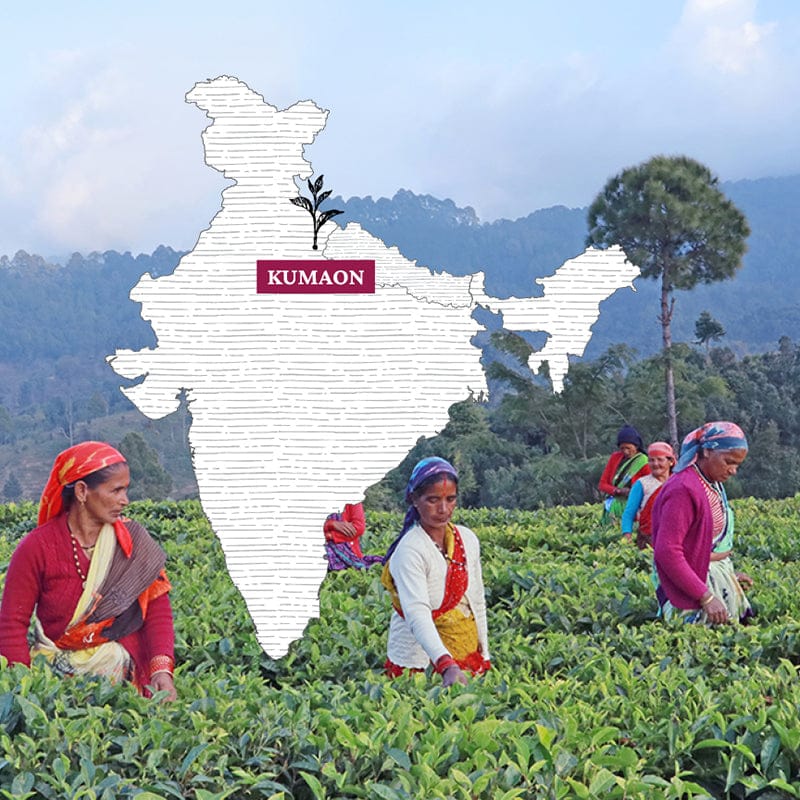
Nestled in the foothills of the mighty Himalayas, Kumaon lies 20 miles west of Nepal’s border and is one of the most remote tea regions in all of India. When the British introduced tea to India in the 1830s, they were enticed by the acidic and well-drained soils of Kumaon. The plant thrived on the mountainside slopes, but the region’s isolation made it difficult for the British to get the tea from the mountains to the port. In the 1920s, the British began to abandon or sell off the experimental Kumaon tea plots. This prompted a group of six families from Sri Lanka to move into the region and try to pick up where the British left off. All of those families left tea except one -- the Birkbecks -- who became the sole torchbearers of the Kumaon tea tradition. In the 1990s, the local government joined forces with the Birkbecks to help other local communities grow tea. This tea was all sent to the auction or sold locally until we entered the picture in 2015. Young Mountain Tea is proud to be the first US importer of Kumaon teas, and we are working with Birkbecks and other partners across the tea industry to help reintroduce Kumaon’s unique and exceptional teas. Read our blog about this region here.

  • Origin Story
  • Production

Tea Makers

Desmond Birkbeck comes from the only family that continued to work in tea after the British abandoned Kumaon in the 1920s. Desmond grew up on his family’s remote tea garden, which is only accessible by a gravel road that twists through an oak forest with howler monkeys overhead. He fondly tells the story of the time he wrote a letter to the Tea Board of India when he was just 14 years old, requesting his family’s tea garden be granted the status that would allow it to sell in auctions. He left home for college and eventually received his master’s degree in biochemistry. After earning his degrees, he had a choice to either pursue a job in the US or return home to help his community through tea. He chose to return home, and today, he is a leading force behind organizing local tea farmers to grow and make quality tea.

Impact

In Kumaon, our relationship runs the deepest. Over a decade of partnership with Himalayan farmers led to a landmark milestone: in 2025, Young Mountain Tea and local farmers co-launched India's first farmer-led specialty tea factory. Today, ~500 farmers in the Champawat region produce 30,000 lb of certified organic tea annually — 90% of them women earning their first independent income. Farmers earn by selling their harvest at 5x commodity rate and by sharing in factory profits as co-owners, while regenerative agriculture trials work to restore the land alongside them.

Our long-term goal is to develop the Kumaon Model as a blueprint for how tea can uplift Himalayan communities, beginning with 6,000 farmers across Kumaon and ultimately inspiring change throughout the global tea industry.

1% of all Young Mountain Tea sales directly support the factory's launch and the farmers who will own it.

Our Packaging

Our commitment to sustainability means we offer our teas in several types of packaging: