Free shipping on US orders over $49

(11)

Green Tea

Organic Nepali Green Peak

$17.99

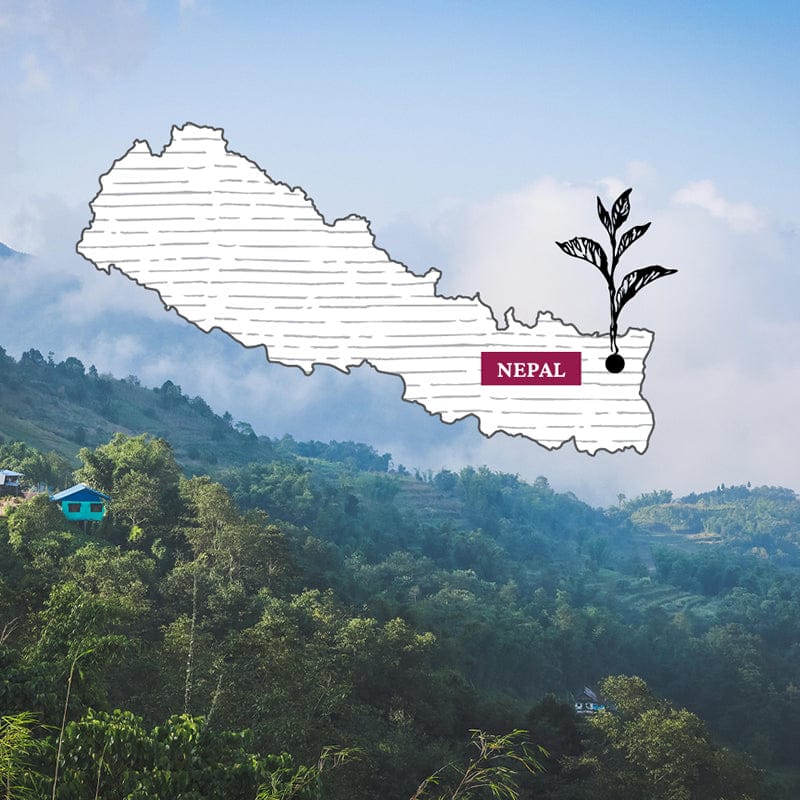
A light, bright organic green tea made by Nepal’s first tea cooperative. Grown in the shadows of Mt. Everest, its strong vegetal body is balanced by a gentle sweetness, allowing it to blur the lines between traditional green and white teas. 


Preparation

Steep 1 1 Tbsp /2.5 g  |  8 oz  | 180° F  |  2.5 min
Steep 2 8 oz  | 185° F  |  3 min

Tasting Notes

Steamed greens & sweetgrass

Origin

 Ilam District, Eastern Nepali Himalayas

Tea Makers

 Tinjure Cooperative

Certifications

USDA Organic

Flavor & Aroma

As with all green teas of strength, the trick to enjoying a nuanced cup of Nepali Green Peak is to gently coax its soothing vegetal notes of cooked spinach without drawing out too much astringency that will mask its more subtle qualities. When attentively brewed, expect the vegetal flavors to be balanced by a sweetness that comes from its soft, delicate bud. Lovers of Japanese sencha or Chinese green tea (Bi Lun Chun) will likely enjoy this tea. 

Origin Story

  Nepal’s best-known tea growing regions are in the far eastern part of the country, bordering India and in the shadows of Mt. Everest. While tea has long been part of eastern Nepal’s past, it lacked the market access to establish its own identity. As a result, most Nepali tea has historically been sold as knock-off Darjeeling, given the two region’s nearly identical soils. The birth of an independent Nepali tea industry is being led by small-scale farmers whose families have moved fluidly throughout the region, long before Nepal and India were separate countries. As generations of community members traveled between eastern Nepal and northeastern India, many of Darjeeling’s Camellia sinensis saplings and secrets came with them. The emerging region is blending expertise with invention, and, in the process, paving a new model for tea in South Asia. Read our blog about this region here.

  • Origin Story
  • Production

Tea Makers

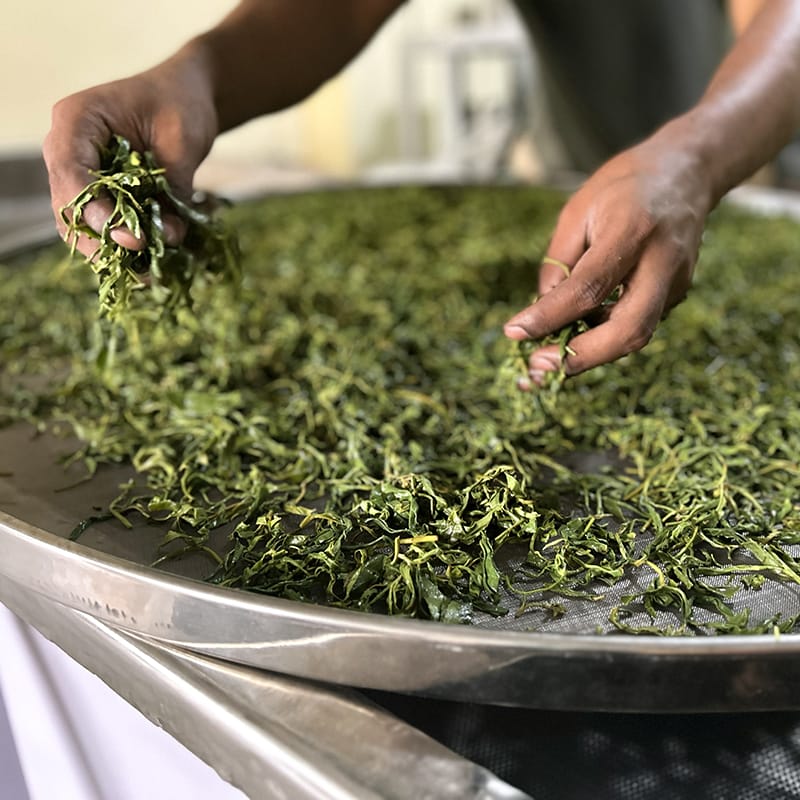
In the early 1990s, three villages on three hillsides banded together and began growing tea. They named themselves Tinjure in homage to their geography -- Tin (“teen”) means three, and jure (“joo-ray”) means hills. The new Tinjure Cooperative sold its harvested green leaf to nearby established gardens, including Kanchenjunga Tea Estate, whose teas we also carry. In 2013, the Tinjure Cooperative raised funds to establish their own processing facility to craft their own tea from the green leaf they harvest. Today, the Tinjure Cooperative is 240 members strong.

Impact

The Tinjure Cooperative is Nepal’s first cooperatively owned and operated factory. By processing their own teas, farmers at Tinjure earn 20 times more than they did when selling the same green leaf to privately run factories. Tinjure’s board of directors, composed of both women and men, is actively organizing and guiding other communities, and helping transform Nepali tea farmers into the more profitable part of the tea maker business.

Our Packaging

Our commitment to sustainability means we offer our teas in several types of packaging: